
03.08.2026
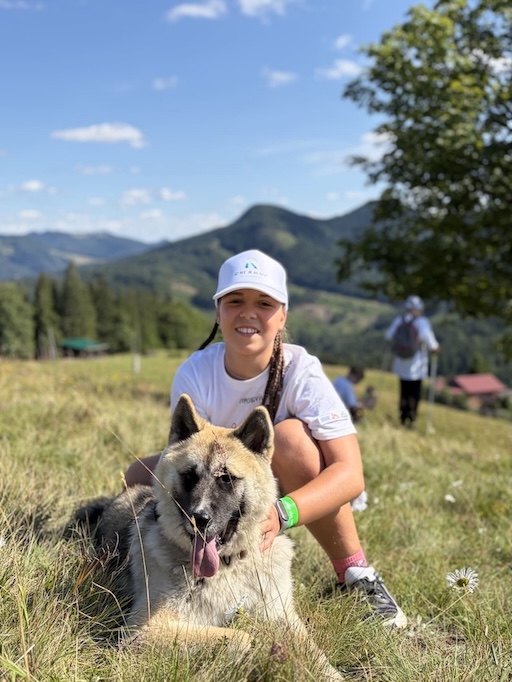
The third summer camp session took place from July 23 to 31. This time, 25 teenagers from internally displaced and military families who attend the “SviTY” space in Cherkasy travelled to the Carpathians.
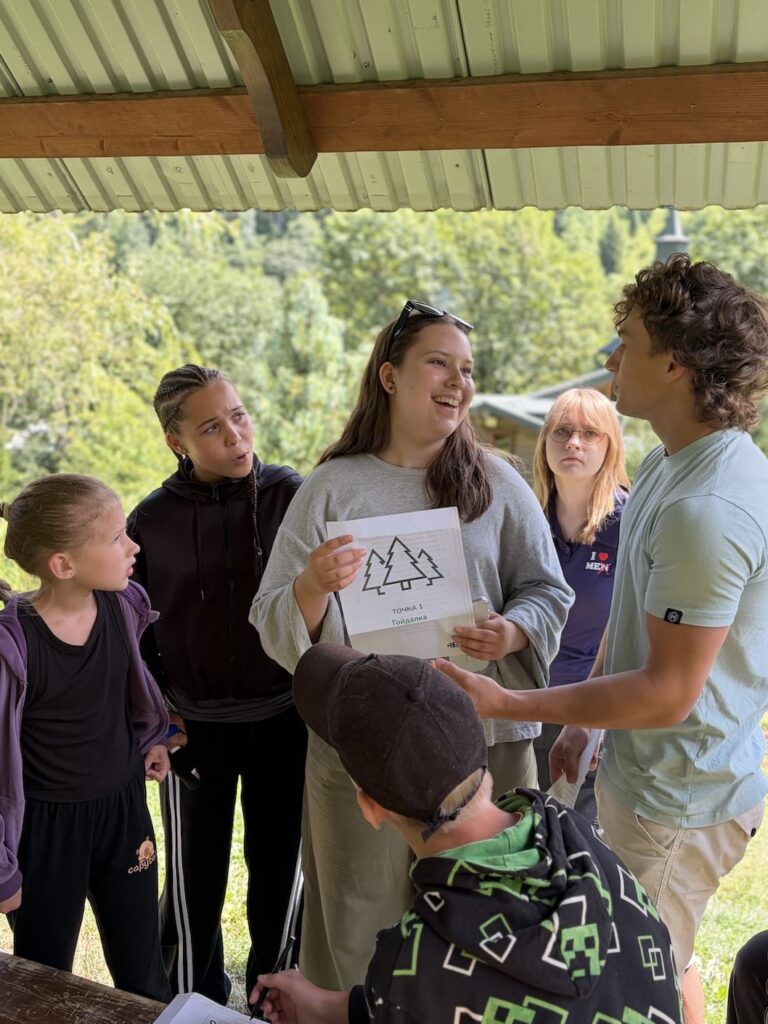
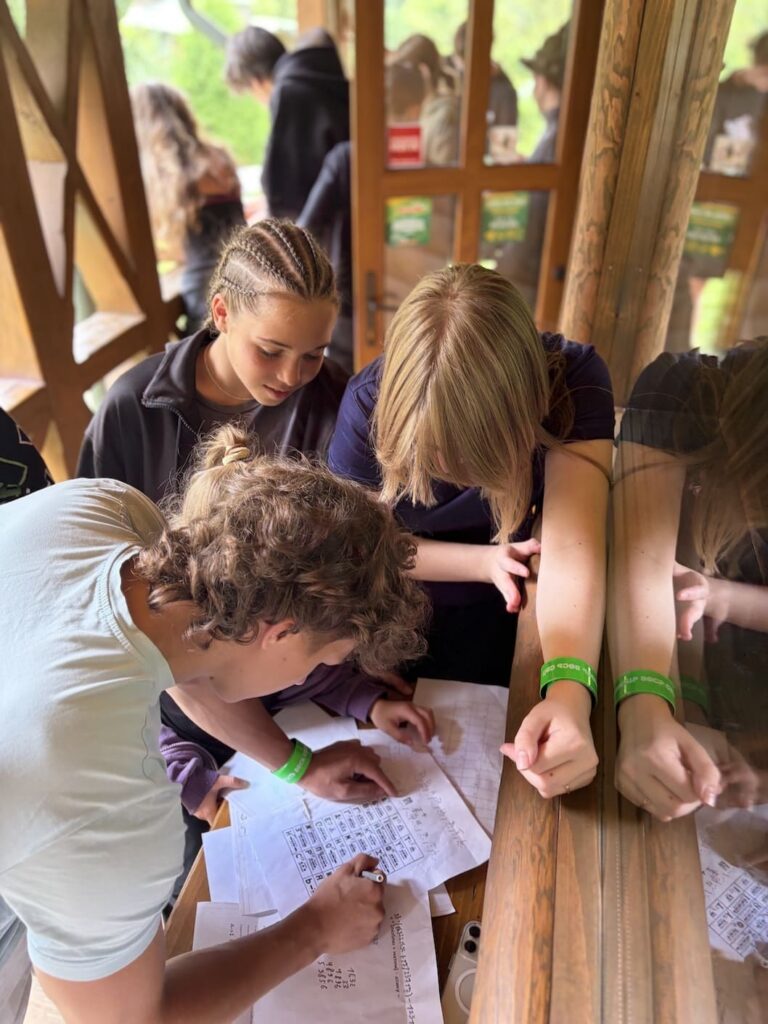
The eight days were filled with activities, adventures, and time together. The teenagers got to know each other, took part in group activities, and tried new things. At the same time, the main focus of the camp remained their psychosocial recovery and support.
To assess the results of the program, we conducted surveys at the beginning and at the end of the camp.
More Joy and Less Stress
After the camp, the share of teenagers who reported feeling joyful increased from 81.8% to 90.9%. The number of participants who felt calm also increased, from 81.8% to 86.4%.
At the same time, the share of teenagers who often experienced stress decreased by half, from 9.1% at the beginning of the camp to 4.5% after it ended.
We also saw positive changes in the participants’ sense of safety. At the beginning of the camp, 22.7% said they felt completely safe. By the end, this figure had increased to 31.8%.
Communication with Others
At the beginning of the camp, 13.6% of participants said they found it difficult to connect with others. After the camp, there were no such responses.
Throughout the camp, the teenagers spent a lot of time communicating, completing tasks together, and learning how to interact as a group. In their feedback, they also shared that they had become more confident in themselves and in communicating with others.
Participants’ Feedback
“I started believing in myself.”
“I became braver.”
“I learned how to communicate.”
“I can be a leader.”
These responses complement the survey results and show the changes that the teenagers themselves noticed after the camp.
The “SviTY” psychosocial recovery program is implemented at the initiative of the KIDS OF UKRAINE Charity Foundation. The first, third, and fourth camp sessions were held with the support of Academy of Advanced Aesthetics. Thank you for helping support the recovery of teenagers.
